loyalty never leaves
RogueRoyalty
9 products
GONE ROGUE
RogueRoyalty

A dog training lead does a different job from an everyday walking lead, and the right length and design depends entirely on what you're teaching and how the dog responds. Rogue Royalty's training range covers nine products across lengths from 1.5 metres to 10 metres: recall long lines, the  SupaTuff 6-in-1 multifunction lead  that converts between six configurations, slip leads for gentle on/off access, and leather training leads for handlers who want the feel and durability of bridle leather. Whether you're working with a Labrador puppy on first recall or a Belgian Malinois in advanced sport training, the right lead is in this range. Prices start from $35.99.


Shop training leads by length, material, and use case


Rogue Royalty Dog Training Leads

The training lead range is built around four distinct use cases, each requiring a different lead design to work effectively.

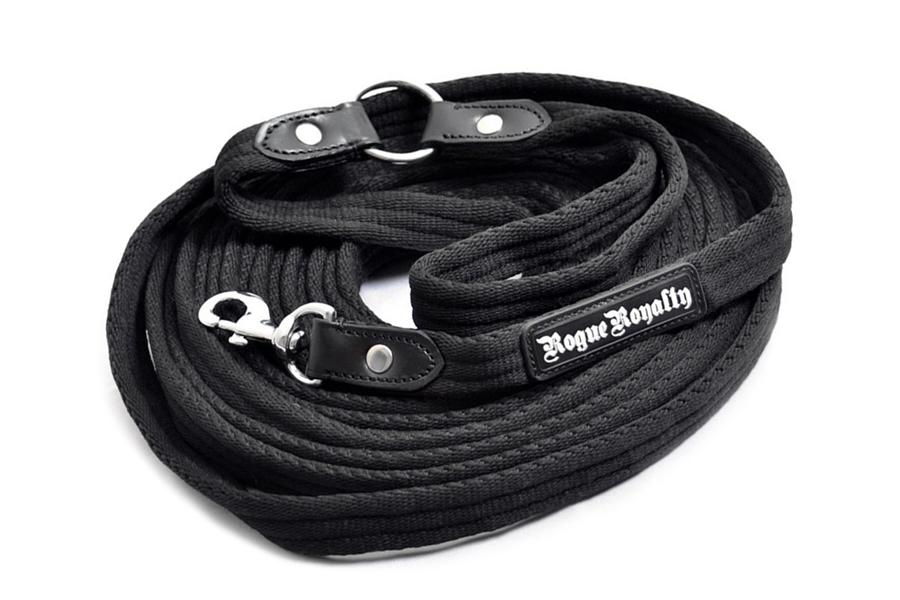
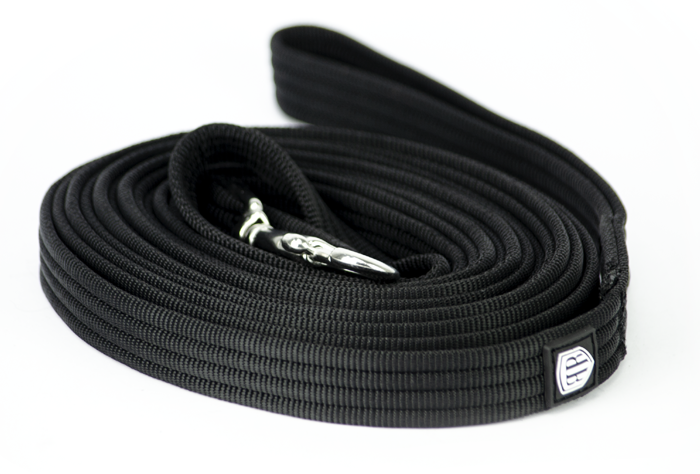
Recall and long line training needs length. When you're teaching a dog to come back reliably, a 5-metre, 9.5-metre, or 10-metre long line gives the dog space to move while keeping you connected. The  9.5m soft grip recall lead  uses a padded grip handle that reduces hand fatigue when the dog hits the end of a long line at speed. The 10m option suits open field work and dogs that need more distance before the recall cue is introduced. Both are nylon construction for light weight across the full lead length.

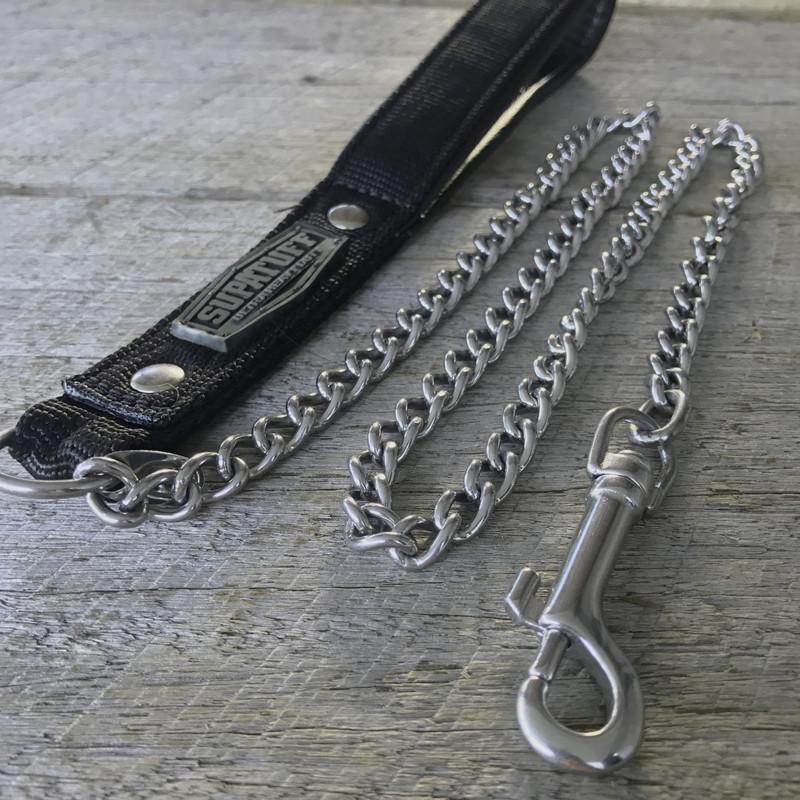
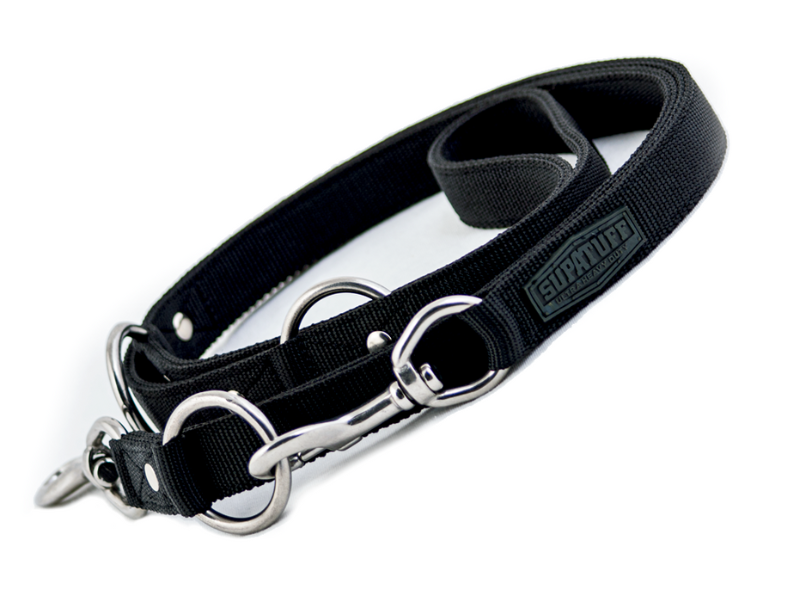
Multifunction leads solve the problem of carrying multiple leads for different phases of a training session. The  SupaTuff 6-in-1 training leash  converts between a standard single-dog lead, hands-free walking around the waist, a two-dog coupler, a long training line, a short control lead, and a traffic lead without unclipping or reattaching anything. It's the go-to option for trainers working multiple dogs, handlers who switch between close-quarter work and distance work in the same session, and anyone who wants one lead that covers every scenario. Available in SupaTuff webbing and a leather version.

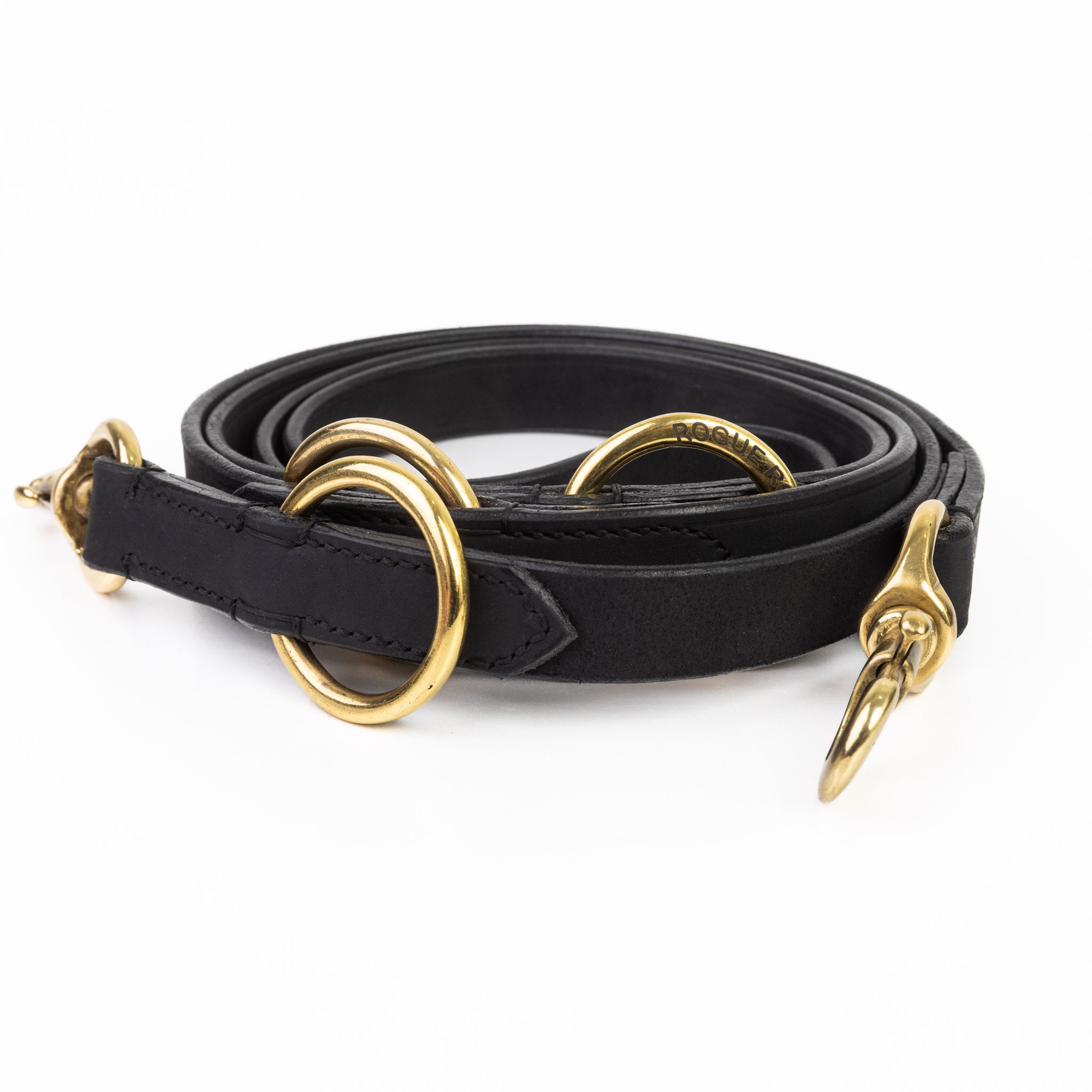
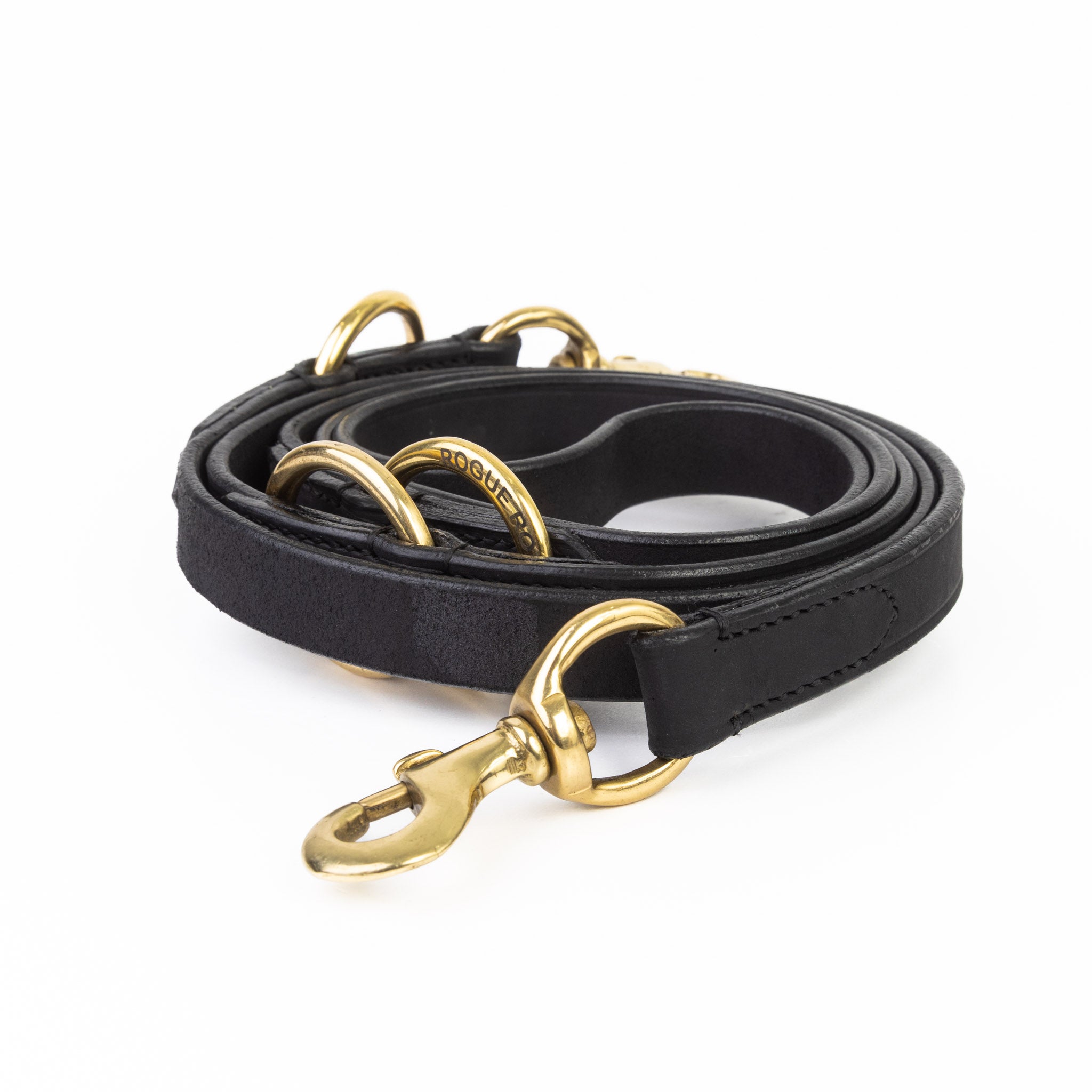
Standard training leads cover the 1.2m to 1.5m daily training range: teaching loose-leash walking, working heel, and practicing controlled approaches. The rubber grip nylon option gives positive hand feedback during directional work. The  leather 5ft training lead  at $85 suits handlers who prefer the weight and feel of bridle leather for precise communication.

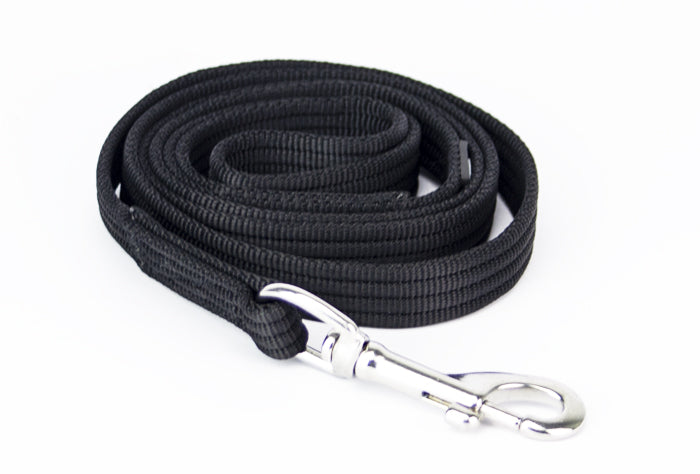
Slip leads are for fast on/off access, show ring work, and gentle direction. The  ultra soft slip lead at 155cm  sits at $35.99 and is the most accessible piece in the range. It's not for heavy pullers: a slip lead tightens under pressure, which can be uncomfortable and counterproductive on a dog that consistently lunges. For those dogs, a clip lead paired with a harness is the safer training approach.

All leads in this range ship across Australia the next business day.


Choosing by training type: long line vs standard vs slip vs multifunction

For recall and distance work: Long lines at 5m, 9.5m, or 10m. The length gives you a safety net while allowing the dog to practice independent distance before the recall command. Nylon is the practical material here: lighter than leather across 10 metres, and easier to manage when running through it quickly.
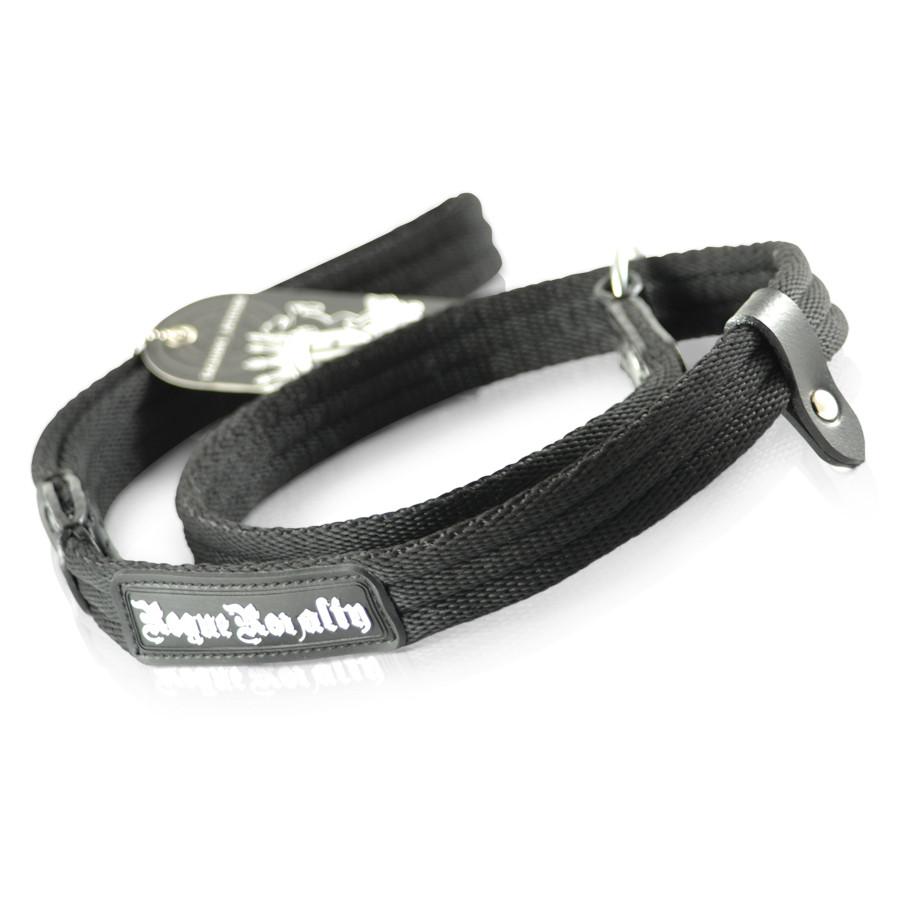
For heel work and loose-leash training: A standard 1.2m to 1.5m training lead. This range keeps the dog close enough to reward immediately and gives you direct control without slack that gets tangled. Leather and rubber grip both work here; the difference is personal preference and how the lead sits in the hand during extended heel sessions.
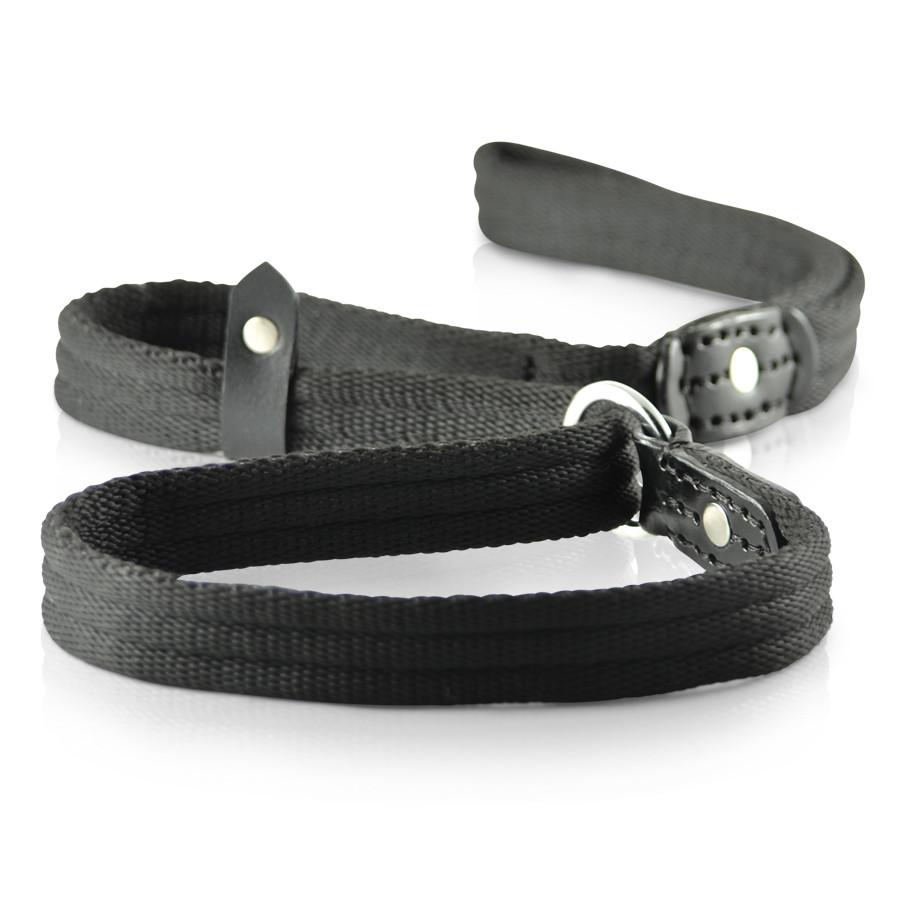
For quick access and show work: A slip lead. The self-tightening loop is faster to put on and take off than a clip lead, which is useful in show environments or when switching between multiple dogs quickly. Use carefully with dogs that pull.

For handlers who switch between configurations: The 6-in-1 multifunction. It eliminates the need to carry multiple leads and covers every scenario from close-quarter control to hands-free to two-dog management in one piece.

Leather vs nylon: Leather training leads are heavier, give a different tactile signal to the dog, and hold up well under daily use when maintained correctly. Nylon is lighter, more water resistant, and lower maintenance. For outdoor training in varied conditions, nylon is the practical choice. For indoor training schools and handlers who value the feel and communication of leather, bridle leather is worth the additional care.


How to choose the right dog training lead

Start with the training objective

The most common mistake when buying a training lead is choosing by length alone. A 10-metre recall line isn't more versatile than a 1.5-metre heel lead: they're different tools for different jobs. Work out what you're training before choosing a lead.

If you're working on recall, you need a long line. If you're working on loose-leash walking, you need a 1.2m to 1.5m training lead. If you're working on multiple skills in one session, a multifunction lead saves time and equipment. If you're doing show preparation or low-pressure obedience work, a slip lead is the cleanest option.


Length guidance

1.2m to 1.5m: Standard training length for heel work, sit/stay, and close-quarter obedience. Enough slack to reward naturally but short enough to maintain immediate control.

5 metres: Intermediate recall training and initial distance work. Suitable for smaller training areas and puppies learning their first recall.

9.5m to 10 metres: Full recall training and open-field distance work. Appropriate when the dog has the basics and needs to develop reliable recall at real distances. Also used for scent work and tracking where the dog needs to move independently.


Lead type and breed considerations

Puppy training, regardless of breed, works best with a soft, lightweight lead that doesn't add pressure the puppy finds distracting. The ultra soft slip lead or a slim nylon training lead suits this. Avoid heavy leather or thick SupaTuff webbing on puppies: the lead weight itself can be discouraging during early sessions.

German Shepherds, Belgian Malinois, and similar working breeds used in sport or protection training suit the SupaTuff 6-in-1. The hardware and webbing construction handles the load of a working dog's training intensity, and the multifunction design works across the various configurations sport training requires.

Labradors, Golden Retrievers, and standard companion breeds doing basic obedience training work well with any lead in this range. The rubber grip nylon at $35.99 is the most practical everyday training lead for this bracket.

For show dogs, handlers, and precision obedience workers, the leather 5ft training lead offers the tactile feedback and traditional feel that many experienced handlers prefer.


The 6-in-1 multifunction: worth the $99?

For anyone training multiple dogs, working a dog through multiple phases of training in a single session, or wanting to replace several separate leads with one piece of equipment, yes. The conversions are: standard lead, hands-free waist lead, short traffic lead, double-dog coupler, and long training line. If you need three of those five regularly, the multifunction is the more practical and cost-effective purchase than buying three separate leads.


Maintenance

Nylon training leads: hand wash with mild detergent and air dry. Inspect the clip mechanism and snap hook after heavy training use, as the spring mechanism fatigues over time. Leather training leads: apply leather balm every few months, air dry if wet, avoid heat drying. Read the full leather leash care guide  before first use.


Match the lead to the training stage. A puppy learning its first recall doesn't need a 10-metre line: start with 5 metres and build distance gradually as the response strengthens. A sport dog working advanced protection work needs the construction quality and clip hardware of the SupaTuff multifunction. Use the  size and gear guide  if you're pairing the lead with a new harness or collar.

Frequently Asked Questions

The right training lead depends on what you're training. For recall work, the 9.5m or 10m long line is the right tool. For everyday heel and obedience training, the leather 5ft lead or rubber grip nylon covers most situations well. For handlers who want one lead for every scenario, the SupaTuff 6-in-1 multifunction at $99 eliminates the need for multiple separate pieces.
Start at 5 metres for initial recall training and increase to 9.5 or 10 metres once the dog is responding reliably at shorter distances. Long lines keep the dog connected while giving enough distance to practice a genuine recall. Using a long line that's too long before the recall is reliable makes it harder to enforce the command. Build the distance gradually.
Slip leads are useful for show work, quick on/off access, and dogs with reliable recall training already in place. They're not the right choice for consistent hard pullers, since the self-tightening loop can create discomfort and frustration rather than learning. For a dog still developing loose-leash habits, a clip lead attached to a harness is the more constructive training approach.
A lightweight, soft 1.5m to 2m lead with a small, easy-to-open clip. The slim nylon or ultra soft slip lead in this range suits puppy training well. Avoid heavy leather leads and thick webbing during early training: the lead weight is distracting for a puppy still learning to accept pressure. As the dog develops confidence and basic obedience, you can move to a more substantial lead.
A training lead is typically lighter, longer, or more configurable than a standard walking lead. Long lines (5m to 10m) are purpose-built for recall training and aren't practical for street walking. Multifunction leads convert between configurations that a standard lead can't replicate. A standard walking lead is usually 1.2m to 1.8m with a single clip: functional for walks but not optimised for training work.