






Mkomazi National Park - Tanzania
The Mkomazi National Park is a vast rugged, 3,500 square kilometer game reserve in northern Tanzania. Together with Tsavo, it forms one of the largest and most important protected ecosystems on earth and is a vital refuge for two highly endangered species the black rhino and African wild dog. The Canine Anti Poaching Unit assists The George Adamson Wildlife Preservation Trust under the guidance of Tony Fitzjohn by providing equipment and training to support the establishment of a new anti-poaching dog section at Mkomazi. A conservationist driven by a lifelong passion for the wild, Tony Fitzjohn actively leads wildlife preservation efforts in East Africa. In 2006, he was honored for his work with an OBE.
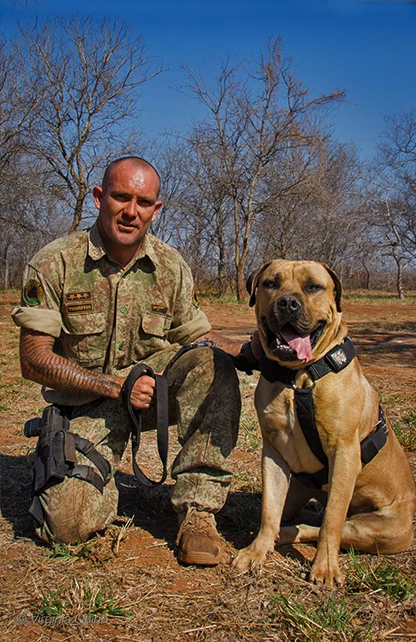
The new section, consisting of a dual role Tracker/Apprehension and Infantry Patrol dog, has been aimed at eradicating the illegal trade of poaching and bush meat hunting. The two dogs, named Bandit and Chocolate, were originally trained at the Ol Pejeta Conservancy by ourselves before arriving at Mkomazi to help support anti-poaching efforts at the park. We will continue to support Mkomazi National Park, and with the help of generous sponsors and fundraising campaigns, intend to provide the latest equipment, clothing and first aid training along side certified training to continue the successful progression of the section.
Rogue Royalty are are proud supporters and equipment providers to the Canine Anti Poaching Unit.

Ol Pejeta Conservation - Kenya
Ol Pejeta is one of the largest black rhino sanctuaries in East Africa. Set over 90,000 acres, it's dog section reinforces anti-poaching efforts by protecting wildlife, safeguarding the local community and assisting the work of the KPR and other conservancies. Our work with Ol Pejeta began in August 2013 with our lead trainer, ex - Royal Army Military Dog Instructor Daryll Pleasants advising and assisting on the expansion and upgrading of the original kennel block to house an additional eleven Belgian Malanois puppies and a fully functional canine agility arena. Daryll also conducted talks, tours and training displays at the section to students and various conservation groups.
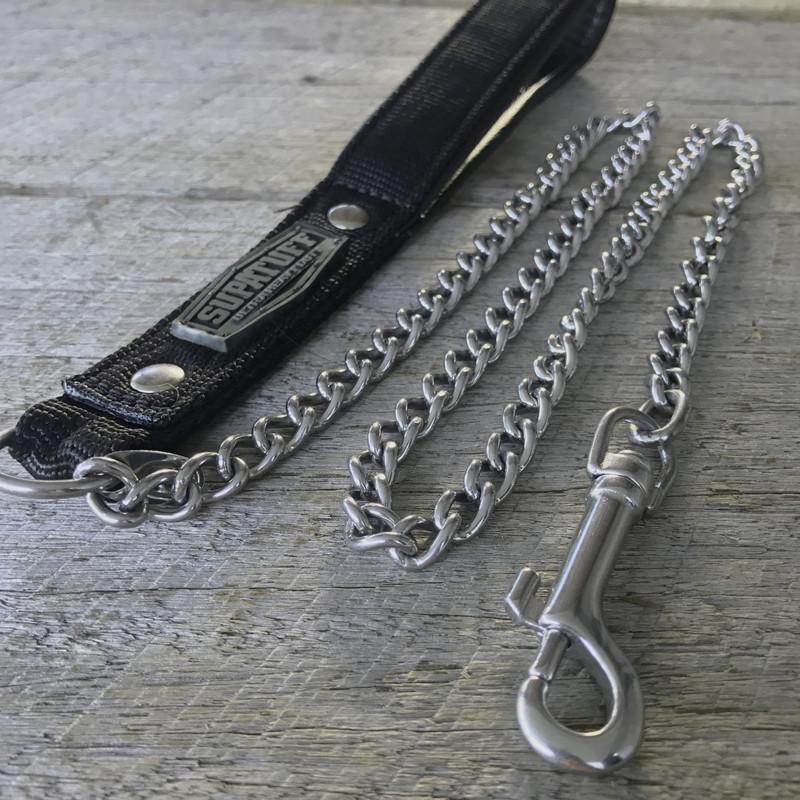
The Ol Pejeta dogs were trained and classified by Daryll with each specializing in a different area such as: arms explosives detection dogs, multi- discipline and triple role dogs, assault dogs (that run completely silent for silent for ambush attacks) , infantry patrol dogs and tracker dogs. The handlers were also trained in specialist canine tactics, kennel management and canine care, leading to full certification , by us, for each handler at the end of training. We also provided sponsored kit for each dog and handler such as collars, leads, tracker lines and harnesses. We have now fully completed this project at Ol Pejeta and are pleased to report that the section continues to help protect not only Ol Pejeta but other surrounding conservancies.

Pit Track Anti Poaching - S.Africa
PIT-TRACK is a privately funded group of civilian militia who protect the last of the Southern White Rhinoceros in pockets of South Africa. They are passionate, determined and live a life dedicated to protecting and saving the last of these magnificent creatures from poachers. They specialise in the use of their trained APBT out in the wilds of South African bush where the the struggle against poachers is a constant violent reality. They are people after our own spirit or getting up and doing something about it! Rogue Royalty has a very special connection with Pit-Track and we proudly support them and believe in their cause.

REFORESTATION PROJECTS
We've teamed up with Greenspark and planted over 35,000 new trees in some of the world's most deperate and impversihed areas. These critical areas are amongst the most powerful and undervalued eco-systems on the planet — and restoring them delivers global benefits that reach far beyond their local areas.
See our projects here
🌍 . Mangroves Are Carbon-Storage Powerhouses
Mangroves store up to 4x more carbon than tropical rainforests.
Reforesting them in Kenya removes massive amounts of CO₂ from the atmosphere, helping slow global warming and stabilise our climate.
🌊 2. They Protect Coastlines From Extreme Weather
Mangroves act like natural seawalls.
They reduce the impact of storms, erosion, and rising sea levels — protecting Kenyan communities and ecosystems that would otherwise be vulnerable. A healthier coastline means a more stable global ocean system.
🐟 3. Mangroves Are Nurseries for Marine Life
A huge portion of the world’s fish species start their life in mangrove forests.
Reforesting mangroves helps rebuild fish populations, supports global food security, and restores marine biodiversity — which keeps our oceans healthy.
👨👩👧 4. They Support Local Communities & Sustainable Livelihoods
Mangrove restoration creates jobs, supports eco-tourism, and gives communities long-term, sustainable income.
Economically stable communities are better equipped to protect their environment — which benefits the planet as a whole.
🦀 5. They Restore Entire Ecosystems, Not Just Trees
Mangroves support birds, fish, mammals, insects, coral reefs, and countless plant species.
Reforesting them rebuilds entire ecological systems from the ground up.
💧 6. Healthy Mangroves Improve Water Quality
Mangroves filter pollutants and sediments from rivers before they reach the ocean.
Cleaner oceans benefit global climate systems, marine life, and ultimately every coastline on earth.
🌱 In Short:
Reforesting Kenya’s mangroves helps stabilise the climate, protect coastlines, rebuild wildlife populations, support communities, and strengthen the health of the global ocean — one of the world’s most important life-support systems.

EMPOWEROING AGRO FORESTRY
Pollinator agroforestry is a sustainable land management approach that combines the cultivation of trees or woody plants with crops or livestock, while also creating habitats for pollinators such as bees, butterflies, and birds. This system offers numerous ecological and economic benefits, including improved pollination, biodiversity, and enhanced land productivity. By integrating pollinator-friendly plants into agroforestry systems, this method promotes long-term sustainability for farming communities while supporting the vital role of pollinators in food production.
Haiti is one of the poorest countries in the world, facing significant environmental and economic challenges. Women and girls play a central role in Haitian society, with nearly half of households being women-led. Despite their contributions, they face ongoing inequality.
In partnership with Prosperity Catalyst, Mother Trees has launched a women-led initiative which supports 32 beekeeping groups in the West and Nippes parts of Haiti, providing new economic opportunities for women.
This project leverages pollinator agroforestry, aiming to identify, grow, and expand in-demand products that can be vertically integrated on farms and in forests. The honey-optimised agroforestry model, co-created with Haitian partners, farmers, and honey producers, offers a market-based solution. This integrated approach addresses both economic and environmental concerns, helping communities while fostering sustainable agricultural practices. Agroforestry is crucial for Haiti, a country with one of the world’s highest deforestation rates. By promoting sustainable land management practices, agroforestry is key to addressing environmental vulnerabilities and contributing to a more resilient agricultural landscape.
The pollinator agroforestry project in Haiti delivers a range of ecological and social benefits to the region. One of the key ecological impacts is the enhancement of biodiversity, as the integrated agroforestry system creates habitats for a variety of animal species, including the Ruddy Duck, Brown Flower Bat, and White-Throated Gecko. Additionally, agroforestry plays a significant role in carbon sequestration. Each tree planted is estimated to capture 0.027 tonnes of CO2 over its lifetime, contributing to Haiti’s efforts to mitigate the effects of climate change.
From a social perspective, the project creates direct economic benefits for local communities. For every 10,000 trees planted, 20 work days are generated, providing employment opportunities that particularly benefit women. The honey-optimised agroforestry model also supports local honey producers, integrating beekeeping with tree planting to create sustainable livelihoods. Furthermore, the cultivation of high-value tree species such as mango, avocado, and cashew offers farmers additional sources of income, making the project beneficial not only for the environment but also for the local economy.

Transforming Plastic Waste Into Empowering Income
Plastic pollution is one of the greatest threats to our oceans and marine life. The United Nations estimates that every year 8 million tonnes of plastic waste ends up in waterways and if we continue to consume and discard single-use plastics at this rate, by 2050 there could be more plastic in our ocean than fish. Plastic Bank® builds ethical recycling ecosystems in coastal communities while simultaneously creating positive economic opportunities for those who helped collect it.
Plastic Bank has helped over 5000 people in Haiti, Brazil, the Philippines, and Indonesia earn a fair, sustainable income by collecting plastic waste.
Plastic Bank is helping the world stop ocean plastic while improving the lives of those who collect it.
Plastic Bank currently operates in Haiti, Brazil, Indonesia, the Philippines, and Egypt. To maximise positive impact, Plastic Bank selects its location sites based on three core criteria: high unemployment, high poverty, and high plastic pollution. In doing so, they directly contribute to 14 of the 17 United Nations’ Sustainable Development Goals.
We're supporting the fight against ocean plastic by turning waste into economic opportunity. Working with coastal communities to collect plastic before it reaches the ocean, then exchange it for income, essentials, and financial support. This not only reduces pollution but also empowers vulnerable communities, creates stable jobs, and builds a circular recycling economy. The result: cleaner oceans, reduced poverty, and a planet that benefits from responsible, sustainable waste management.


