



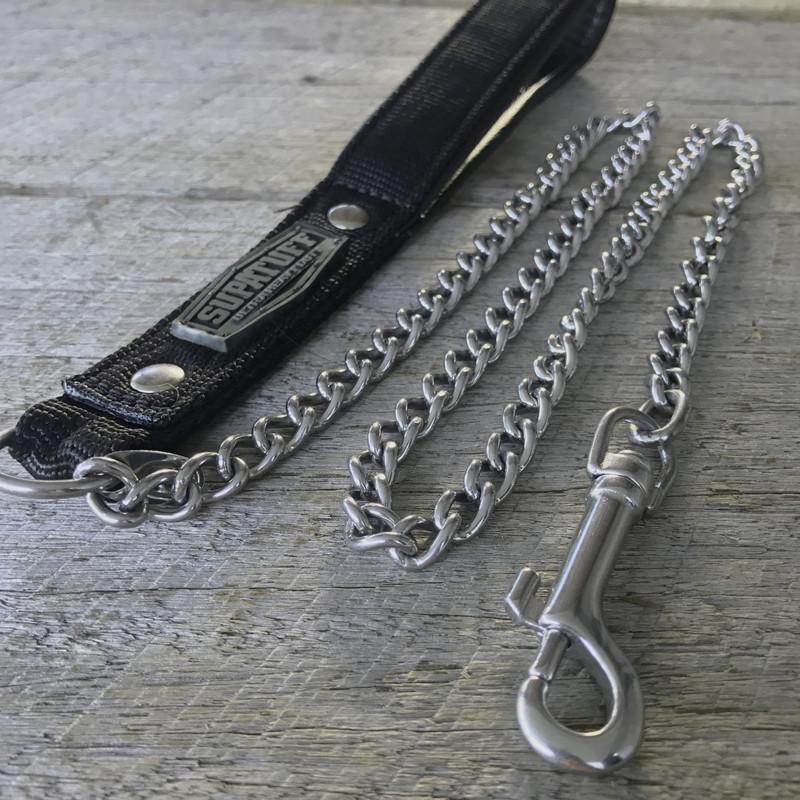
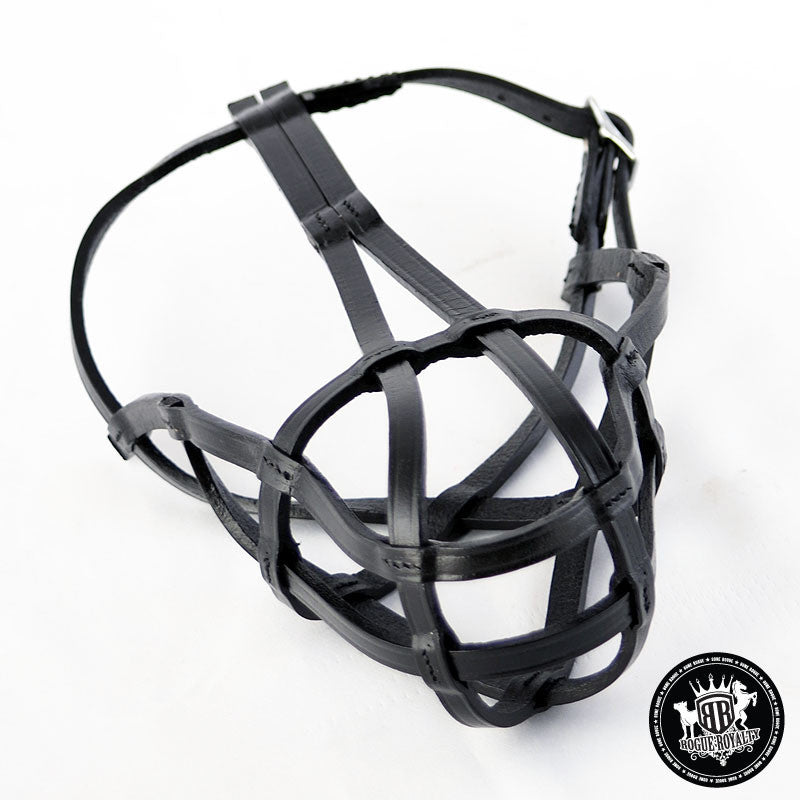
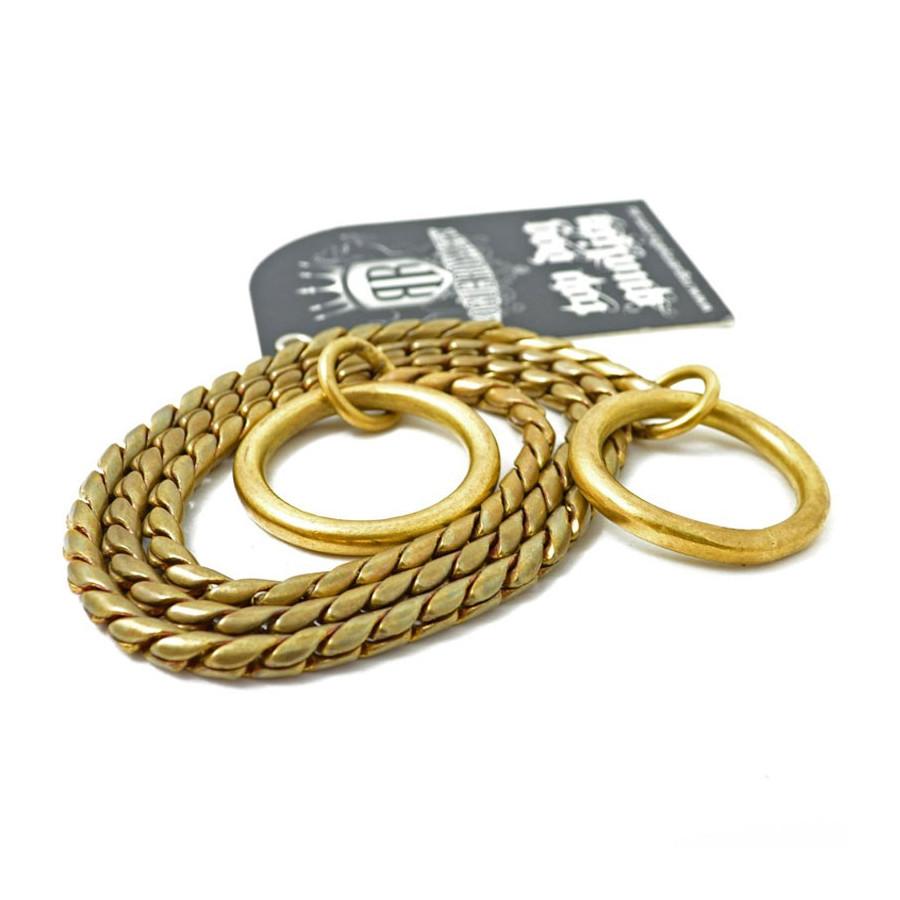


A collar built for a 10kg dog and a collar built for a 40kg dog are not the same product scaled up. Large and powerful breeds generate force that small dogs simply cannot, which means the width, the hardware rating, and the stitching integrity all need to be matched to that force rather than chosen by what looks proportionate on the shelf. Most large dog collar failures are not bad luck. They are predictable outcomes of undersized hardware or narrow webbing meeting a dog that was always going to test it eventually.
This guide covers exactly how to size a collar for a large dog by neck circumference, what collar width actually does for comfort and control, the hardware strength standards that separate genuine heavy-duty gear from marketing language, leather versus nylon for big breeds, and a full sizing reference across small through giant breeds.
Why Large Dog Collars Need to Be Built Differently
The forces involved scale dramatically with size and behaviour, not just body weight. A sudden lunge from a large, motivated dog generates pulling force well beyond the dog's resting body weight, and the collar's buckle and D-ring absorb that force at a single concentrated point. Industry strength benchmarking for heavy-duty dog collars puts the recommended tensile resistance for large and working breeds at a minimum of 700 to 1,000 lbs of pull force, roughly 320 to 450kg, with D-ring load capacity in a similar range. A collar built to casual nylon-and-plastic-buckle standards is nowhere near this threshold, which is exactly why narrow, lightweight collars fail on strong dogs at the worst possible moment, usually mid-lunge near a road or another dog.
A peer-reviewed study published in the veterinary literature measured neck pressure and force across different collar designs on dogs walking and moving in circles. The research found that collar design and material meaningfully affected peak pressure and force transmitted to the neck, and that padding alone did not reduce total force, it simply concentrated pressure differently. This is a detail almost no commercial collar guide cites, and it confirms something working dog handlers have understood for years through direct experience: collar construction and width matter more than soft padding for reducing neck stress in a strong, active dog.
Collar Width: The Variable Most Buyers Get Wrong
Width determines how leash force distributes across the neck. A narrow collar concentrates the same pulling force into a smaller surface area, which increases pressure per square centimetre of skin and tissue. A wider collar spreads that identical force across more surface area, reducing the pressure intensity at any single point.
| Dog Size | Approximate Neck Circumference | Recommended Collar Width |
|---|---|---|
| Small (under 10kg) | 20cm to 35cm | 1.5cm to 2cm |
| Medium (10kg to 25kg) | 33cm to 47cm | 2.5cm to 3.5cm |
| Large (25kg to 40kg) | 42cm to 57cm | 4cm to 4.8cm |
| Giant (40kg+) | 53cm to 69cm and above | 4.8cm to 5.5cm |
Wider is not automatically better in every case. A collar that is too wide for a narrower-necked large breed, such as a lean working Kelpie or a Greyhound-type build, can ride up uncomfortably toward the jaw and interfere with head movement. The correct approach is to match width to actual neck circumference using the table above as a starting reference, then adjust based on the individual dog's build rather than breed alone.
How to Measure a Large Dog's Neck Correctly
Use a soft fabric tape measure, not a rigid ruler, around the base of the neck where the collar will naturally sit, roughly two to three finger-widths back from the jawline. Measure with the dog standing relaxed, not straining against a lead or sitting hunched, both of which distort the natural neck measurement.
Once you have the raw circumference, add space for two fingers to fit snugly but comfortably between the tape and the neck. This is the standard fit check used across the industry and gives enough room for comfortable breathing and movement without enough slack for the collar to slip over the head.
Re-measure seasonally for large breeds with significant coat changes between summer and winter, and re-measure after any notable weight change. A collar correctly fitted in summer on a double-coated large breed can sit differently once the winter undercoat grows in.
Hardware Strength: The Difference Between Heavy-Duty and Marketing Language
Plenty of collars are labelled "heavy-duty" without any hardware to back the claim. Real strength comes from three components working together, and a weakness in any one of them compromises the whole collar.
| Component | What to Look For | Why It Matters |
|---|---|---|
| Buckle | Solid stainless steel or solid brass, never plastic | The buckle absorbs the full pulling force at one joint. Plastic buckles crack under sustained load or sudden shock force, particularly in cold weather when plastic becomes more brittle. |
| D-ring | Welded or solid construction, sized proportionate to the collar width | This is the leash attachment point and takes 100% of the pulling force during any leash tension. An open or split ring can bend and open under sustained force from a large dog. |
| Webbing or leather | Double-ply nylon webbing or full-grain bridle leather, not single-layer synthetic | The body of the collar needs tensile strength matched to the dog's pulling force, not just visual thickness. |
| Stitching or riveting | Reinforced box stitching at handle and joins, or solid rivets on leather | This is where the collar most commonly fails first, at the stitch line where the D-ring attaches or where the strap loops back on itself. |
Leather vs SupaTuff Nylon for Large Dogs: Which to Choose
Both materials, built to a genuine high standard, handle large dog force well. The right choice depends on environment and maintenance preference rather than one being objectively stronger than the other.
Full-Grain Bridle Leather
Offers a refined, classic appearance and ages into a more comfortable, contoured fit unique to the individual dog over months of wear. The leather softens and moulds to the neck shape, which most owners find improves comfort over time rather than degrading it. The tradeoff is maintenance: leather needs periodic conditioning, particularly after exposure to salt water, and should be dried and conditioned rather than left to air dry in direct sun repeatedly.
SupaTuff Heavy-Duty Nylon Webbing
A lower-maintenance option that handles water, sand, and daily outdoor exposure without the conditioning routine leather requires. Custom-specified webbing at 48mm width for wide-fit collars provides the width benchmark recommended for large breeds, paired with solid stainless steel hardware throughout and zero plastic fittings. This is the practical choice for working dogs, dogs that swim regularly, and owners who want a fit-and-forget option that still meets serious strength standards.
The Rogue Royalty Large Dog Collar Range
The Rogue Royalty wide-fit collar range covers 35 products specifically built for large and powerful breeds, in both full-grain leather and SupaTuff heavy-duty nylon, with solid metal hardware throughout every option.
SUPATUFF Strong Dog Collar (Wide Fit)
Heavy-duty SupaTuff nylon webbing at 4.8cm width across the entire size range. Solid stainless steel buckle and fittings, zero plastic components. Sized from Small (36cm to 45cm neck) through XXL (60cm to 69cm neck). Built for working dogs, protection training, and daily wear on strong, active breeds. Backed by a 100% lifetime guarantee.
From $69.60 | View the SUPATUFF Wide Fit Collar
Classic Handmade Leather Collar (Wide Fit)
Premium bridle leather with soft napa leather padding for comfort against the neck. Bevelled, wax-polished, and sealed edges. Solid non-rust metal buckles and keepers. Sized from Medium (33cm to 42cm neck, 4.5cm width) through XXL (53cm to 64cm neck, 5.5cm width). Ages and softens with wear into a contoured fit unique to the individual dog. Handmade with reinforced joints and wax-sealed stitching throughout.
From $57.00 | View the Classic Black Leather Wide Fit Collar
Sizing Chart by Neck Circumference
| Size | SUPATUFF Neck Circumference | Leather Wide Fit Neck Circumference | Typical Breed Examples |
|---|---|---|---|
| S | 36cm to 45cm | N/A (Medium starts leather range) | Smaller large breeds, lean Kelpies |
| M | 42cm to 51cm | 33cm to 42cm | Border Collie, Australian Shepherd, smaller Labrador |
| L | 48cm to 57cm | 38cm to 47cm | Labrador, German Shepherd (female), Staffy |
| XL | 54cm to 63cm | 45cm to 53cm | German Shepherd (male), Rottweiler, Boxer |
| XXL | 60cm to 69cm | 53cm to 64cm | Mastiff, Great Dane, Cane Corso, large Rottweiler |
Always confirm the dog's actual measured neck circumference against this chart rather than selecting purely by breed, since individual build varies meaningfully even within a breed.
Why Buy From a Specialist Rather Than a Generic Pet Retailer
Generic pet retailers carry collars designed to fit a wide range of dogs at a moderate price point, which typically means moderate hardware and moderate webbing thickness to keep manufacturing costs down across the full size range. A specialist building specifically for large and working breeds designs the hardware-to-width ratio for the upper end of canine force from the outset, rather than scaling a small-dog design upward.
The Rogue Royalty wide-fit range has been built and field-tested with K9 protection units and working dog handlers since 2009, which means the hardware specifications reflect real-world force testing rather than catalogue assumptions about what "should" hold up. Every wide-fit collar in the range uses the same solid metal hardware standard regardless of price point within the range, so the choice between leather and SupaTuff comes down to maintenance preference and aesthetic rather than a strength tradeoff.
The Leather Break-In Period Nobody Explains
A new full-grain leather collar on a large dog feels noticeably stiffer in the first few weeks than it will after several months of regular wear. This is normal and expected, not a sign of poor quality, but it is rarely explained to first-time leather collar buyers, which leads some owners to assume the collar is uncomfortable for their dog when it simply hasn't broken in yet.
During the break-in period, check the fit more frequently than usual, since stiff new leather can sit slightly differently than how it will once softened. The collar should still pass the two-finger test, but pay attention to whether the stiffness is causing the collar to dig in at any point rather than flexing naturally with the dog's movement. Light conditioning with a leather balm in the first month, applied sparingly and worked into the leather by hand, speeds up the softening process without compromising the structural integrity of the bridle leather.
Most owners notice a meaningful difference in suppleness within four to six weeks of regular wear. By three months, a quality bridle leather collar on a large, active dog has typically moulded to the specific contour of that dog's neck, which is part of why handmade leather collars develop a fit quality that mass-produced synthetic alternatives do not replicate over the same timeframe.
D-Ring Placement and Leash Attachment for Powerful Dogs
Where the D-ring sits on the collar affects how leash force transfers to the dog's neck during a pull. A D-ring positioned at the side of the neck, rather than directly under the chin, distributes lateral pulling force more evenly and reduces the tendency for the collar to rotate around the neck during a sudden direction change. This detail matters more for large, strong dogs because the force involved in a lunge or sudden pull is substantial enough to expose any weakness in hardware placement that a smaller dog would never generate enough force to reveal.
For dogs that pull hard or lunge unpredictably, attaching the leash to a front-clip harness rather than the collar D-ring removes neck force from the equation entirely during active walking, while the collar remains in place purely for identification. This combination, harness for leash attachment and collar for ID, is increasingly the standard recommendation among trainers working with large or reactive dogs, precisely because it separates the two functions a collar has traditionally been asked to perform at once.
Pairing a Large Dog Collar with the Right Tag and Care Routine
A large dog collar needs a tag hardware setup that matches its scale. A small split ring on a wide, heavy-duty collar looks and performs disproportionately, and can be the actual weak point in an otherwise robust setup. Match tag ring size to collar width, and inspect the ring monthly for any sign of opening or wear, since this small component is frequently the first thing to fail on a large dog's collar setup even when the collar itself remains structurally sound.
For leather wide-fit collars specifically, conditioning every one to three months with a dedicated leather balm keeps the hide supple and prevents the cracking that occurs when leather dries out repeatedly without treatment, particularly after exposure to salt water or extended sun. The All Natural Leather Balm is formulated specifically for dog gear leather and compatible with the full Rogue Royalty leather range.
Coastal and Outdoor Conditions: An Australian-Specific Hardware Consideration
Large breed owners in Australia disproportionately use their dogs for beach exercise, swimming, and outdoor activity, simply because big, athletic dogs tend to need more vigorous exercise than smaller breeds get by with. This means large dog collar hardware faces more sustained salt and sand exposure than the average small companion dog's collar ever encounters.
Zinc alloy and chrome-plated hardware that looks identical to solid stainless steel or solid brass on the shelf behaves very differently after a season of regular beach use. Plating wears through at contact points within months, exposing the base metal underneath to direct corrosion. Solid stainless steel, particularly marine-grade 316, and solid brass do not have this plating layer to wear through, which is why they remain the standard recommendation for any large dog collar that will see regular coastal or wet outdoor use rather than occasional suburban walks.
After any saltwater exposure, rinse the collar with fresh water and allow it to dry fully before the dog wears it again. For leather, this rinse-and-dry step should be followed by conditioning, since salt residue left in leather fibres draws moisture out over repeated cycles and accelerates cracking. For nylon webbing, a thorough freshwater rinse is usually sufficient, though the hardware itself still benefits from an occasional wipe-down to prevent salt crystals building up at the moving joints of the buckle and D-ring.
Studded and Statement Wide-Fit Options
For owners who want the strength standard of a wide-fit collar alongside a bolder aesthetic, the studded leather collar range applies the same wide-fit construction and hardware standard with solid metal studs embedded directly into the hide rather than pressed in. These run the full size range from small breeds through XXL, giving large and powerful breed owners a styled option without compromising on the underlying strength specification that the rest of the wide-fit range maintains.
35 products in leather and SupaTuff heavy-duty nylon. Solid metal hardware throughout, zero plastic fittings. Sized from Small through XXL with width matched to genuine large-breed force requirements.
Browse Wide Fit Collars →Frequently Asked Questions About Large Dog Collars in Australia
What width collar is best for a large dog?
Large dogs over 25kg generally do best with a collar between 4cm and 5cm wide. A wider collar distributes leash force over a larger neck area, reducing concentrated pressure compared to a narrow collar. Giant breeds over 45kg often suit 5cm to 5.5cm width, particularly dogs prone to pulling. Width should scale with measured neck circumference rather than guesswork.
How do I measure my large dog's neck for a collar?
Use a soft tape measure around the base of the neck where the collar naturally sits, with the dog standing relaxed. Add space for two fingers to fit comfortably between the tape and neck. Re-measure after significant weight changes or seasonal coat changes, both of which affect neck circumference enough to require a different size.
What makes a dog collar strong enough for a large or powerful dog?
Three factors: webbing or leather material quality, hardware rating, and stitching or rivet integrity. Solid stainless steel or solid brass hardware, never plastic, handles the load at the buckle and D-ring. Reinforced stitching or riveting at every stress point prevents the collar from tearing under sudden force. A collar is only as strong as its weakest single component.
Is leather or nylon better for a large dog collar?
Both work well for large dogs when built to a high standard. Full-grain bridle leather offers a refined look and ages into a contoured, comfortable fit, but needs periodic conditioning. Heavy-duty nylon like SupaTuff is lower maintenance, fully waterproof, and suited to dogs that swim or work outdoors daily. Both hold up to serious force when paired with solid metal hardware.
Why does my large dog's collar keep sliding around or rotating on the neck?
Usually means the collar is too loose for the dog's neck-to-head ratio. If two fingers fit easily with extra room to spare, tighten by one notch. Breeds with a neck circumference close to their head circumference are prone to slipping collars, and a martingale-style limited-slip collar is a safer choice than sizing up a standard buckle collar for these breeds.
Should a large dog wear a collar, a harness, or both?
Most large dogs benefit from both. The collar holds ID tags and registration discs and suits calm walking on dogs that don't pull. The harness becomes the primary leash attachment for dogs that pull or have tracheal sensitivity, redirecting force away from the neck. Using a collar for ID and a harness for active leash walking gives the benefit of both.
How often should a large dog collar be replaced?
Inspect monthly regardless of material. Replace immediately for fraying or weakened stitching at stress points, a bent or corroded buckle or D-ring, cracking leather, or any loss of reliable adjustment under load. Dogs exposed to regular saltwater or sand need more frequent inspection, since these conditions accelerate hardware and material wear. A large, powerful dog puts significantly more force on a compromised collar than a small dog does.

