



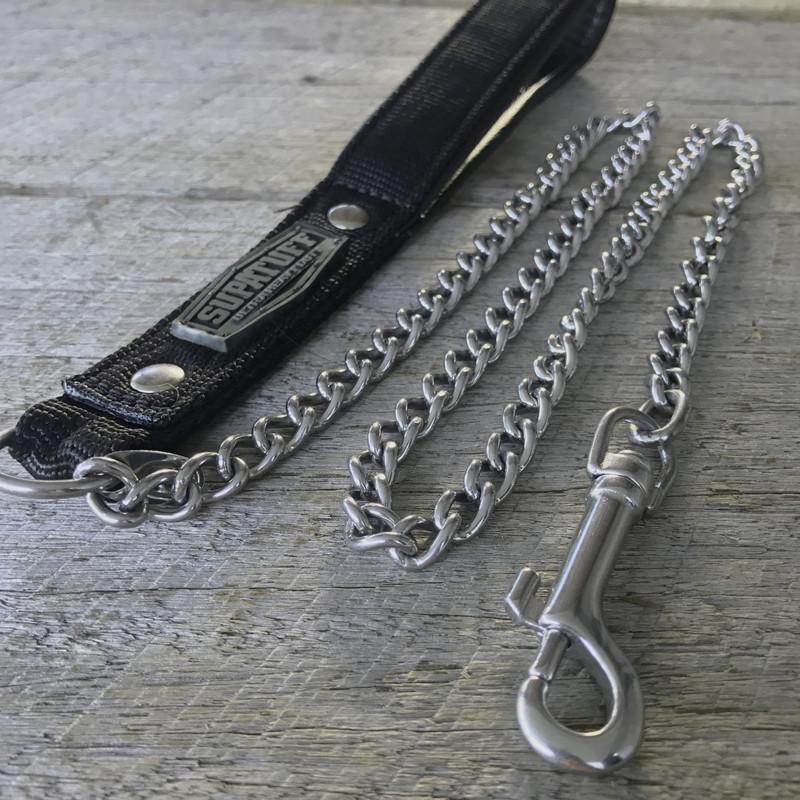
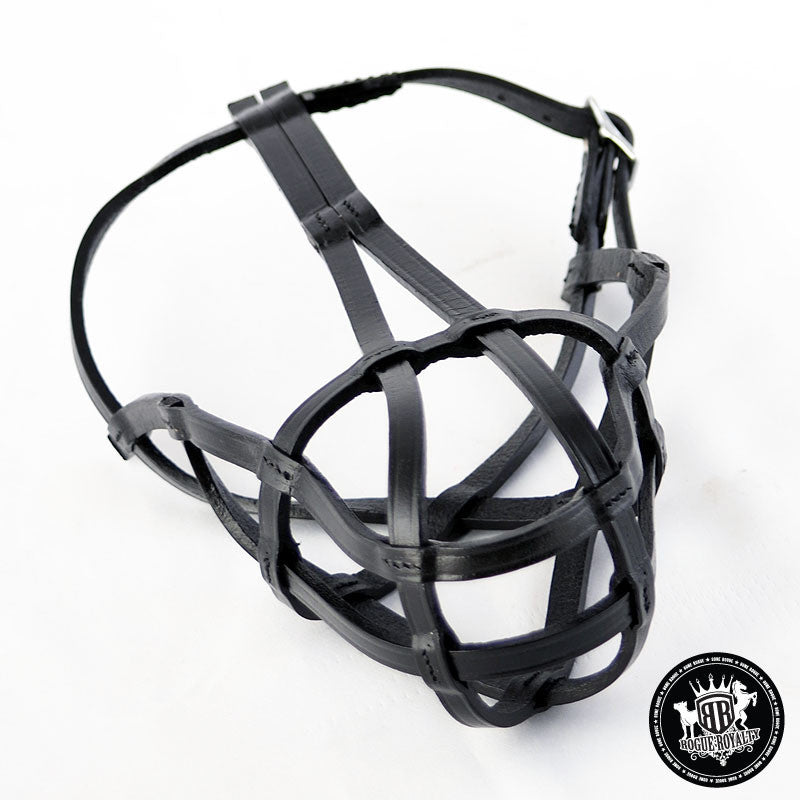
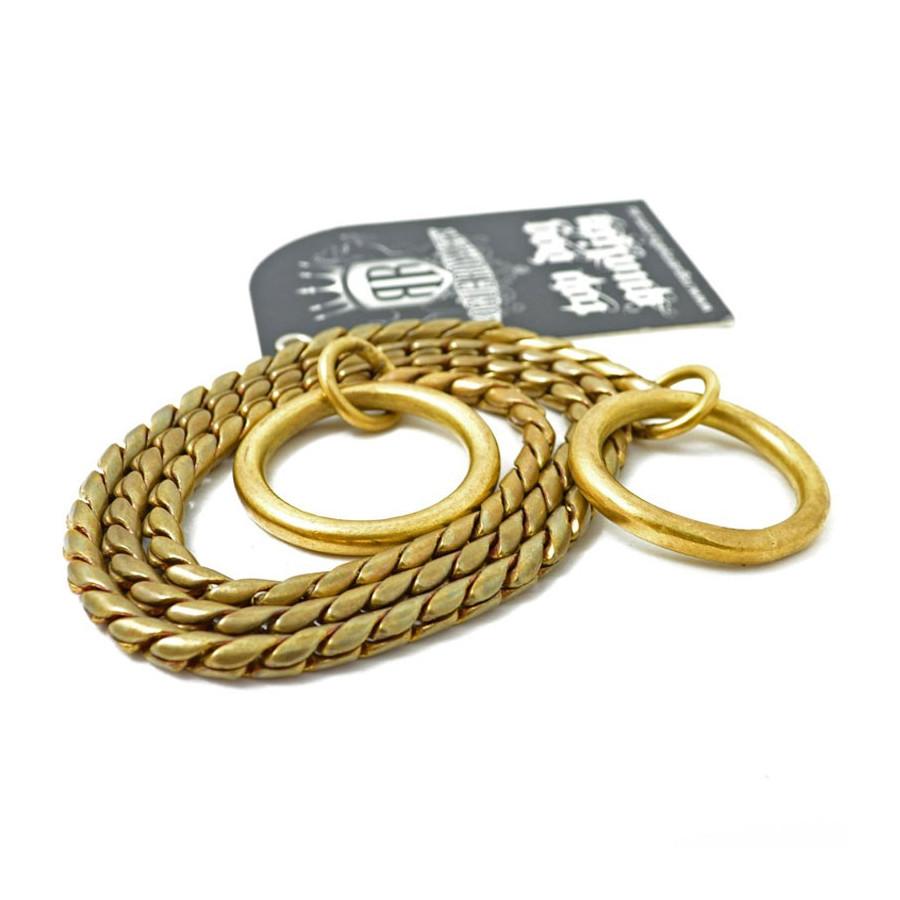


Most new puppy checklists give you a long shopping list without explaining which items matter most, which can wait, and what specific details change everything about whether a piece of gear actually works for a puppy rather than just for an adult dog. A collar that fits correctly at eight weeks will be too small by twelve weeks. A retractable lead during the first three months does measurable damage to the single most important behaviour most owners want to build. And the ID tag that most guides mention briefly is a legal requirement in most Australian states from day one, not an optional add-on.
This guide covers what to buy before pickup and what can wait, the progressive collar sizing strategy that protects your puppy through fast growth, harness fit during rapid growth phases, how to introduce the lead correctly before outdoor walks begin, why retractable leads specifically damage recall during the imprinting window, teething-phase treat selection, and Australian ID compliance requirements from the first day.
What to Buy Before Pickup and What Can Wait
The most common new puppy shopping mistake is buying everything at once before the puppy arrives, including items that won't fit, won't suit the individual dog's personality, or need to be replaced within weeks because the puppy grows out of them. Concentrating on the before-pickup essentials and leaving optional items for after you know the puppy saves both money and the frustration of a house full of gear that doesn't get used.
Buy Before Pickup
A collar sized for the puppy's current neck circumference, confirmed with the breeder before purchase. An ID tag fitted and attached before the puppy leaves the breeder. A fixed-length lead appropriate for indoor introduction exercises. Puppy-appropriate soft treats for the first training sessions. Food and water bowls. A crate or playpen sized for the adult dog, with a divider for the current puppy size. A washable bed or blanket. Enzymatic cleaner for accidents.
Can Wait Until You Know the Puppy
A harness: wait until you have measured the actual puppy, because harness sizing is more complex than collar sizing and a wrong harness is both uncomfortable and potentially unsafe. Long training leads: useful, but timing the purchase after you know how the puppy moves helps select the right weight and material. Specialist training equipment: wait until the puppy's specific training needs become clear in the first few weeks.
The Progressive Collar Sizing Strategy
This is the practical detail that puppy gear guides consistently skip. Puppies grow fast enough between eight weeks and twelve months that a single collar, even one with a wide adjustment range, cannot fit correctly throughout that entire period. Trying to make one collar last by leaving it at maximum extension when the puppy is small, or minimum when growing through, produces a collar that is never correctly fitted for the puppy's safety and comfort.
The correct approach is planning for two to three collar purchases across the growth phases. Most puppies fit a slim or extra-small collar at eight to ten weeks, move into a small collar by twelve to sixteen weeks, and reach an adult-size collar somewhere between twelve and eighteen months depending on breed and individual growth rate. Large breeds grow faster and unevenly, with growth spurts that can require a new collar within three weeks of the previous one fitting correctly.
Australian Council ID Compliance from Day One
Most puppy guides mention ID tags as a nice-to-have. In most Australian states and territories, a registered dog in a public place is legally required to carry visible identification. The specific requirements differ by council and state, but the common standard across most jurisdictions is a tag on a collar worn in public that includes the owner's contact phone number.
The practical implication for a new puppy owner is that the ID tag should be fitted before the puppy leaves the breeder, not after the first walk. Puppies escape from new homes during the first week with regularity, because everything about the environment is unfamiliar and the puppy has not yet developed any sense of home territory. A puppy that bolts through a gate during the first confusing day in a new home is most likely to be found and returned if it is wearing a tag with a contact number visible to anyone who picks it up.
The tag should include at minimum: your mobile phone number. Add a second number if possible, because your phone may be the one ringing when you are searching for the dog and you need someone else receiving calls. The puppy's name is useful but not legally required in most jurisdictions. The council registration number should be added once registration is complete, which is typically required within a specified timeframe of acquiring the dog, varying by council from 28 days to three months. Microchipping satisfies the database registration requirement but is not a visible identification substitute for the tag.
The premium dog tag range includes compact, durable tags in multiple styles, all with engraving options for contact details that will remain legible over years of regular wear rather than fading after weeks.
Collar for a New Puppy: What to Get and Why
A puppy's first collar needs to be lightweight, correctly sized for the current neck circumference, and flat rather than rounded to minimise the contact weight on a small neck. Heavy hardware, thick leather, and wide webbing appropriate for adult dogs are all inappropriate for a puppy collar. The collar's primary job in the puppy phase is carrying the ID tag and familiarising the puppy with wearing something around its neck before training and walking begin.
The slim-fit collar range covers puppy through small adult sizes in a lightweight profile appropriate for developing dogs. The slim-fit design keeps the contact weight low while providing the same all-metal hardware and quality construction as the adult collar range, meaning the collar that starts on the puppy at eight weeks is made to the same standard as the collar worn by a mature working dog.
Harness for a Puppy: When to Get It and How to Fit It During Rapid Growth
A harness is the correct walking tool for puppies once vaccination is complete and outdoor walks begin. Most veterinary guidance recommends a harness rather than collar-only walking for puppies because a puppy that pulls during walks, which most do for months, concentrates all of that leash force on the neck through a collar attachment. The puppy's trachea, thyroid gland, and neck muscles are all still developing and benefit from the pressure distribution a harness provides.
The harness fit check during a rapid growth phase is more complex than the two-finger collar check. Harnesses have multiple adjustment points and the fit can feel correct on one dimension while failing on another. The specific check for a fast-growing puppy is to test all three separately after each session: check two fingers under the chest strap across the whole length behind the front legs, check two fingers under the neck opening at the shoulder point, and check whether the chest plate contacts the sternum without riding up into the throat area. A harness that passes all three simultaneously is correctly fitted. Because puppies grow unevenly, a harness that passed all three last week may fail one this week without the others changing.
Why Retractable Leads Damage Recall During the Imprinting Window
This is the most important and least discussed item on any puppy gear checklist. The period from eight to sixteen weeks is when a puppy is most neurologically receptive to learning that coming when called is reliably rewarding. This is not just an early training phase. It is a developmental window where the associations formed have disproportionate influence on how the dog responds to the recall cue for the rest of its life.
A retractable lead teaches a specific lesson every time it is used. When the puppy moves away from the handler, the lead extends and the puppy gains freedom and movement. When the puppy moves toward the handler, the lead retracts and the puppy loses freedom. This is the exact opposite of the association that recall training requires, where movement toward the handler is the most reliably rewarding response available and movement away from the handler leads to no forward progress.
Puppies that spend their early walking months on retractable leads routinely develop unreliable recall as adults, not because they are not intelligent or not trainable, but because they spent the most receptive learning period repeatedly rehearsing the opposite lesson. A fixed-length 1.2 to 1.5 metre lead for daily suburban walks and a separate 5 metre long line for recall practice in open spaces are the correct tools for this period.
The 5 metre long-line lead is the appropriate tool for recall imprinting in parks and open spaces where the puppy needs enough distance to build the habit of turning and running back to the handler, while remaining safely connected rather than off-lead in an unvaccinated or unfenced environment.
Treats for the Teething Phase: Why Texture Matters More Than Ingredient
Between six and sixteen weeks, a puppy is losing its deciduous teeth and adult teeth are erupting through gum tissue that is often inflamed and sensitive. Most puppy guides cover what protein source to look for in treats. Very few cover why treat texture is the most important variable during this specific developmental phase.
Hard treats, including hard biscuits, pressed chews, and large bones, require significant biting force against gum tissue that is actively sore and may contact erupting adult teeth before they are fully anchored. A puppy experiencing gum pain during treat consumption begins to associate treats with discomfort rather than pure reward, which reduces the motivational power of treats during precisely the weeks when the most important early training is happening.
Soft single-ingredient treats that require minimal chewing force, consumed in two seconds or less in pea-sized pieces, are the correct training treat format during the teething phase. The natural single-ingredient treats in the natural treat range include soft jerky options suitable for breaking into very small pieces for puppy training, without the artificial preservatives, fillers, or hard textures that make commercial puppy treats suboptimal during this phase.
The First Lead Introduction Protocol
No puppy checklist covers this properly, and the absence of this protocol is why many puppies have their first outdoor walk already anxious about the lead attached to them. The first lead introduction should happen indoors, before outdoor walks begin, across two to three sessions in familiar surroundings.
Session one: clip the lead to the collar and set it down gently. Let the puppy drag the lead behind it for five minutes while moving freely around a familiar room. Do not pick up the lead, direct the puppy, or create any tension. The goal is the puppy learning that the new sensation of something attached to its collar is not threatening and does not restrict movement.
Session two: pick up the end of the lead and follow the puppy rather than directing it for three to five minutes. The handler moves with the puppy wherever it goes. The lead slack remains constant and no tension is created. The puppy learns that someone holding the other end of the lead does not mean restriction.
Session three: begin gentle direction by using a treat to draw the puppy toward the handler while holding the lead. Walk a few steps, reward the loose-lead position, stop. These three sessions, totalling about 15 minutes across a few days, produce a puppy that encounters the outdoor lead as a familiar object rather than an unknown restraint combined with the new stress of a first outdoor environment.
The Rogue Royalty New Puppy Gear Range
All Rogue Royalty puppy gear uses the same all-metal hardware and quality construction as the adult range, in sizes and profiles appropriate for developing dogs.
Slim Fit Collar Range
For: puppies at eight to sixteen weeks through small adults; lightweight profile for developing necks
Slim-fit collar construction in lightweight profile. All-metal hardware, no plastic fittings. Available from XXXS neck sizes upward for toy and small breed puppies. Fits correctly from day one as the first collar and ID tag carrier.
From $55.00 | Browse the Slim Fit Collar Range
SupaTuff Slim Fit Harness
For: puppies transitioning to walking on harness after vaccination; small to medium breeds through growing large breeds
25mm custom double-ply SupaTuff nylon, four-point independent adjustment, all stainless steel hardware, no plastic fittings. Waterproof and UV-treated. The four-point adjustment tracks multiple sizing stages as the puppy grows, reducing the number of harness replacements needed through the first year.
From $52.00 | View the SupaTuff Slim Fit Harness
5 Metre Long Line Lead
For: recall imprinting in open spaces during the critical 8 to 16 week developmental window
5 metre nylon long line in a lightweight profile appropriate for puppies. Gives enough distance for meaningful recall practice while keeping the puppy safely connected in unfenced or unvaccinated environments. The correct tool for building recall during the period when it has the most lasting impact.
$39.99 | View the 5 Metre Long Line Lead
Slim-fit collars from XXXS, four-point adjustable harnesses, long-line leads, natural treats, and premium ID tags. All in the same all-metal hardware standard as the adult range.
Browse the Full Puppy Gear Range →The Week-by-Week Gear Checklist: What to Have Ready When
| Week | Gear Needed | Notes |
|---|---|---|
| Before pickup | Slim-fit collar, ID tag, fixed lead, soft treats, crate, bed, bowls, enzymatic cleaner | Collar fitted, tag attached before first car ride home |
| Week 1 to 2 | Indoor lead introduction sessions using the fixed lead | No outdoor walks yet, but lead familiarisation starts indoors |
| Week 2 to 4 | Harness measured and purchased for imminent outdoor walking | Measure at current size; choose four-point adjustable for growth range |
| After second vaccination (approx. 12 weeks) | 5 metre long-line lead for recall training in open spaces | Begin recall imprinting with the long line before off-lead freedom |
| Ongoing monthly to 6 months | Check collar and harness fit weekly; replace collar when at maximum adjustment | Second collar purchase typically needed around 4 to 5 months |
| 6 to 18 months | Third (adult-size) collar; upgrade harness if puppy has outgrown first | Adult collar sizing once growth is near complete |
Frequently Asked Questions: New Puppy Gear in Australia
What do I need to buy before bringing a puppy home in Australia?
Before pickup: a correctly sized collar with ID tag fitted, a fixed lead, puppy-appropriate soft treats, food and water bowls, a crate or playpen, a washable bed, and enzymatic cleaner. Everything else including the harness, long training lead, and specialist equipment can wait until you know the puppy's size and needs after the first week.
What size collar does a puppy need?
Puppies require two to three collar purchases across the first year as they grow. Most eight-week puppies fit a 20 to 30 cm neck range. Check fit weekly between eight and twenty weeks, replace when the collar reaches maximum adjustment, and plan for the collar to be a growth-stage item rather than a once-off purchase.
Should a puppy wear a collar or harness?
Both, for different purposes. A flat collar carries the ID tag for identification compliance. A harness is the correct walking tool once vaccination is complete, distributing leash force across the chest and shoulders rather than the developing neck and trachea. Walk on the harness; wear the collar for ID.
Why should I avoid a retractable lead for my puppy?
Retractable leads damage recall during the most critical developmental window. Between eight and sixteen weeks, a puppy learns that moving away from the handler gains freedom (lead extends) and moving toward the handler loses freedom (lead retracts). This is the opposite of recall training. Puppies conditioned this way during the imprinting window have significantly less reliable recall as adults. Use a fixed 1.2 to 1.5 metre lead for walks and a 5 metre long line for recall practice in open spaces instead.
What treats are best for a puppy during the teething phase?
Soft, small, quickly consumed treats that require minimal chewing force. Between six and sixteen weeks, puppy gum tissue is inflamed and adult teeth are erupting. Hard treats cause discomfort that reduces the motivational value of treats during exactly the weeks when the most important early training is happening. Pea-sized pieces of soft single-ingredient jerky treats work well. Introduce harder chews only after adult teeth are fully established, typically from around six months.
What is the correct ID tag information for a puppy in Australia?
At minimum, your mobile phone number on a durable engraved tag, ideally with a second number. The puppy's name is useful but not always legally required. Add the council registration number once registration is complete. Fit the tag before the first day home, not after the first walk, because puppies escape from new environments most often during the first overwhelming week.
How do I introduce a lead to a puppy for the first time?
Three short indoor sessions before outdoor walking begins. Session one: clip the lead to the collar and let the puppy drag it freely for five minutes without picking it up. Session two: pick up the end and follow the puppy wherever it goes for three to five minutes without directing or creating tension. Session three: use treats to begin gentle direction with loose lead slack. By the time outdoor walks start, the lead is already familiar rather than a new stressor combined with a new environment.

