





Staffordshire Bull Terriers are compact, muscular and full of energy, which makes them one of the more physically demanding breeds to fit gear for, despite not being especially large. A harness or collar sized purely by weight often misses the mark, because a Staffy's proportions — a broad chest, a strong neck, and real power for their size — call for gear built with that build in mind, not just a smaller version of what suits a bigger dog. This guide covers what actually matters when choosing a harness and collar for a Staffy.
Why Staffies Are a Bit Different to Fit
Staffies carry a lot of strength in a relatively small frame. Their chest is typically broad and deep relative to their overall size, and their neck is proportionally thick and muscular. This combination means gear designed around typical small-to-medium dog proportions can end up too narrow or too shallow-chested, even if the weight range on the label matches. It also means a Staffy that decides to lunge, dig in, or play enthusiastically can put real, sustained pressure on gear that a similarly-sized but less powerful dog simply wouldn't.
Choosing a Harness for a Staffy
Because of their build and energy, a well-fitted, sturdy harness is usually a better starting point than a minimal, lightweight design. If your Staffy pulls or gets excitable on walks, a no-pull, front-clip harness is worth trying first — the front clip redirects pulling rather than fighting it directly. If your Staffy is particularly strong, has escaped a harness before, or you simply want gear built for sustained wear and tear, our heavy-duty harness range uses reinforced stitching and solid hardware suited to a dog that's genuinely strong for its size.
-
Check the chest strap sits snugly without gaping — a Staffy's broad chest needs proper width, not just length
-
Make sure the harness can't be backed out of during excited or playful movement
-
Look for adjustment points at both the neck and chest, not just one
Choosing a Collar for a Staffy
For everyday wear, a wide-fit collar tends to suit the breed's neck proportions better than a standard slim collar, spreading pressure across more surface area rather than concentrating it in a narrow band. If your Staffy is walked primarily on a harness with the collar mainly for ID and everyday wear, comfort and fit matter more than reinforcement. If the collar itself is also used for lead-walking, treat it with the same care as choosing a harness — check the stitching and hardware, not just the look.
A Note on Training Collars
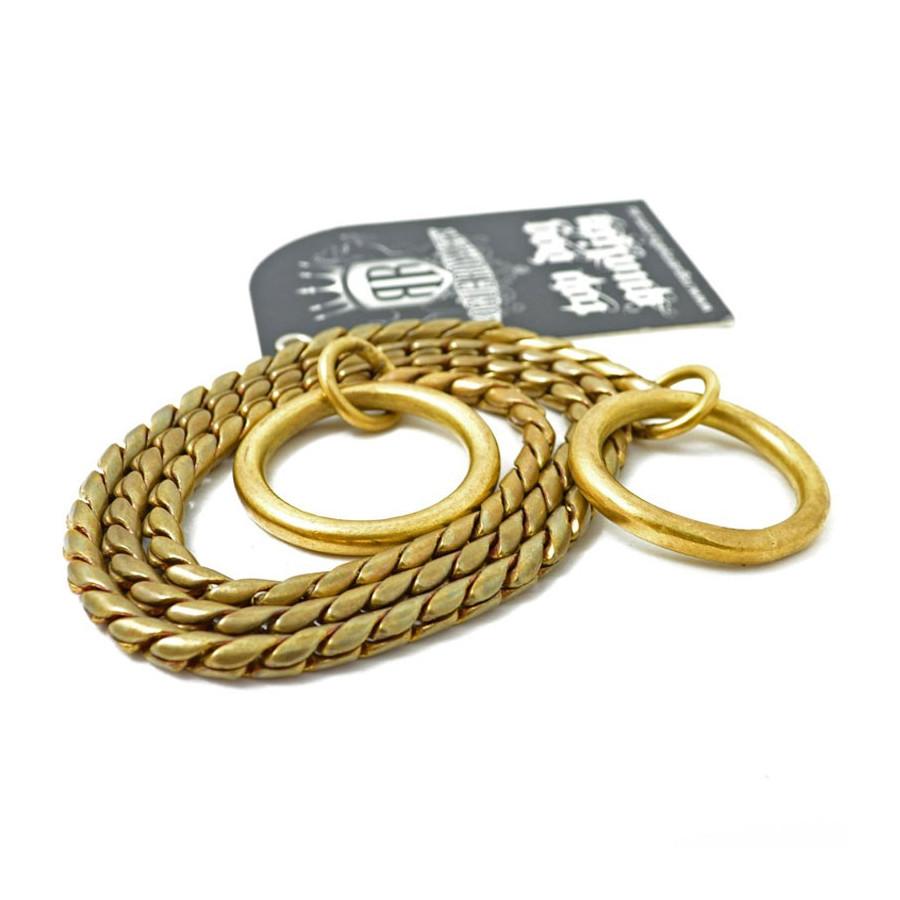
Some owners of strong, energetic breeds look into slip or training collars as part of structured lead training. If you're considering this route, it's worth doing so alongside professional guidance rather than as a first option, and checking your state's current regulations, since rules on certain training collar types vary across Australia. Our general guide on training collar legality covers what to check before choosing this path.
Sizing Tips Specific to the Breed
Always measure your individual dog's chest girth and neck circumference rather than relying on breed averages — Staffies vary more in size than people often expect, and a snug, correct fit matters more for a strong, active dog than for a calmer breed. Our full sizing guide walks through exactly how to measure properly, including a little adjustment room for a dog that's still filling out or sits between two sizes.
Fitness and Weighted Gear
Staffies are an athletic, high-energy breed, and some owners incorporate structured fitness or conditioning work into their routine as they mature. If that's part of your plan, our weighted vest range is worth a look, though it's best introduced gradually and, ideally, alongside advice from your vet or a qualified trainer.
Where to Start
For most Staffies, a good starting point is one of our no-pull Active X harnesses for everyday walks, paired with a wide-fit collar for comfort and ID. If your dog is particularly strong, energetic, or has gone through standard gear before, step up to our heavy-duty harness range instead. Every option is backed by our 10-year warranty, so you can choose based on what actually suits your dog rather than worrying about it not holding up.
Puppy Staffies: Starting Off Right
If you're bringing home a Staffy puppy, resist the temptation to buy adult-sized gear "to grow into." Staffy puppies grow quickly and change shape substantially in their first year, and an ill-fitting harness during this stage can be uncomfortable and, in a worst case, allow a wriggly puppy to back out of it during play. A proper puppy harness with a wide adjustment range is worth using until your dog is closer to full size, at which point you can move into the ranges covered above.
Everyday Wear vs Active Use
It's worth separating what your Staffy wears for everyday identification and comfort from what you actually walk them on. Many owners keep a lighter, comfortable collar on at all times for ID purposes, then switch to a harness for actual walks, especially with a young or excitable dog. This split reduces wear on any single piece of gear and means the harness — doing the real work of managing pulling and movement — can be chosen purely for function, while the everyday collar can prioritise comfort and fit for all-day wear.
A Note on Socialisation and Gear
Getting a Staffy puppy or young dog comfortable with wearing a harness early on tends to make gear changes and fittings much easier later in life. Short, positive sessions getting a puppy used to the feeling of a harness going on and off — well before it's needed for an actual walk — pays off when you need to adjust fit or switch to different gear as they grow.
Frequently Asked Questions
Do Staffies need a special harness?
Staffies are muscular and strong for their size, so a well-fitted harness with sturdy construction is generally a better fit than a lightweight, everyday harness designed for smaller or less powerful breeds.
What size collar does a Staffy need?
Most adult Staffies suit a wide-fit collar sized to their neck measurement, since their proportions are often broader than a standard slim collar is designed for. Always measure your individual dog — see our sizing guide.
Are Staffies known for pulling on the lead?
Individual temperament varies, but Staffies are an energetic, athletic breed, and many owners find a no-pull harness design helps manage enthusiasm on walks, particularly with younger dogs.
What should I look for in a harness for a strong dog like a Staffy?
Look for reinforced stitching, solid metal hardware, and a snug, adjustable fit across the chest so the harness cannot be backed out of during play or excitement.
When should a Staffy puppy move from a puppy harness to an adult one?
This varies by individual dog, but most Staffies are close to their adult proportions by around 12 months. Check the fit regularly during their first year and move up once the puppy harness reaches the end of its adjustment range.

